
The Link Between Diabetes and Eye Health

One of the most powerful things you can do for your vision is simple: stay on top of your overall health. If you’ve been managing diabetes  or know someone who is  you already understand how much care it takes. But what’s easy to overlook is how closely diabetes and eye health are tied together. The good news: being aware of the connection gives you and your eye doctor in Corinth, MS control.

Why Diabetes Affects The Eyes

High blood sugar doesn’t just affect energy levels or appetite. Over time, it damages blood vessels in the eyes. When vessels leak or swell, they can affect how clearly you see. In more serious cases, new blood vessels may grow where they shouldn’t, increasing the risk of bleeding or vision loss. This condition is known as diabetic retinopathy, and it’s one of the leading causes of preventable blindness.

Other Eye Conditions Linked To Diabetes

Retinopathy isn’t the only concern. Diabetes can also increase the risk of macular edema (swelling near the center of the retina), cataracts, and glaucoma. All of these conditions may develop more quickly in people with uncontrolled blood sugar. In many cases, early signs don’t cause major symptoms. You might not feel pain or notice vision changes until damage has already happened  which is why proactive care is so important.

The Role Of Regular Eye Exams

That’s where the diabetic eye exam in Corinth, MS comes in. Scheduling this type of exam regularly allows your eye doctor to detect subtle changes before they affect your everyday life. Early detection often means treatments are less invasive and more effective. In other words, having a checkup can prevent a small problem from becoming a big one.

Taking Charge Of Your Vision

Managing diabetes well helps safeguard your eyes. Keeping your blood sugar, blood pressure, and cholesterol in check reduces the stress on delicate eye tissues. Lifestyle habits matter, too  eating well, exercising, and avoiding smoking all contribute to healthier blood vessels and clearer vision.

Your eyes and your health are deeply connected. If you have diabetes, staying vigilant with proper control and keeping up with diabetic eye exams gives you the best chance at preserving your sight long term. It’s not about fear  it’s about making smart choices so your vision stays sharp and your future looks bright. Contact us today to learn more.

What Can I Expect During a Diabetic Eye Exam?

If you’re thinking of scheduling a diabetic eye exam, it’s normal to wonder what the difference is between a standard eye exam and a diabetic eye exam in Corinth. Here, we’ll look at what to expect, so you’re ready for your appointment.

It Takes a Little Longer

As a general rule, you can expect these exams to take a little longer. So, if you’ve got a busy schedule, it helps to plan ahead. (In fact, in some cases, these exams can last for up to two hours.)Diabetic eye exams are longer because the eye doctor in Corinth, MS is looking for early signs of diabetic retinopathy, which means they’ll need to do additional retina tests.

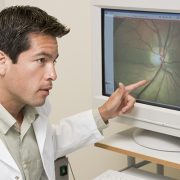
This additional retina exam usually involves imaging technology, so the detector can see the details of the retina and the blood vessels that supply it with the nutrients it needs to function. They’re not just looking for retinopathy, they’re also looking for potential complications of the disease. For example, if your vessels are swollen, they may begin to leak into the eye.

You May Have to Have These Exams More Often

If you have Type II diabetes, you should ideally have an exam once a year. However, you may also need more frequent exams, depending on how your vision changes over time.

Finding an Eye Doctor in Corinth

The best way to keep up with your condition is to do what you can to manage it. Whether you have Type I or Type II diabetes, you’ll need to watch what you ingest, whether that’s foods, drinks, or medications. You’ll also want to find an eye doctor who specializes in this complicated condition, which can make it easier for you to map out a strategy when it comes to keeping your eyes healthy.

It’s common for diabetics to ignore certain parts of their health because they’re so busy worrying about others. For example, maybe you don’t notice the early signs of retinopathy, which can include eye floaters, blurred vision, and dark spots because you’re focused on your blood. At Corinth Eye Clinic, we can help you find a better balance, so you can keep your vision sharp and clear for as long as possible.

Dry Eye Treatment

What Conditions Does Medical Eye Disease Testing Cover?

When you get medical eye disease testing in Corinth, MS at Corinth Eye Clinic, your optometrist has access to a range of diagnostic results to use for detecting dangerous conditions that threaten your vision. Not only will your eye doctor be able to offer treatment plans, but the optometrist may be able to provide early detection, which is always a positive factor in terms of outcome. Here are some of the conditions that medical eye disease testing covers:

Glaucoma

Glaucoma is an insidious eye condition that often has no visible symptoms for the person. Yet, it threatens eyesight because it can lead to blindness unless detected and treated as early as possible. Millions of people around the world have some stage of glaucoma. With medical eye disease testing, early detection and treatment is possible.

Macular Degeneration

Medical eye disease testing is especially helpful for older patients who may be experiencing age-related macular degeneration (AMD). This condition negatively impacts the macula of the eye, which is the part responsible for clarity of vision. With retinal imaging and optical coherence tomography—part of medical eye disease testing—progression can be slowed and vision may be preserved.

Diabetic Retinopathy

Diabetic retinopathy is a secondary condition that often happens to patients who have diabetes. It’s especially dangerous when the underlying diabetes has not been diagnosed or treated, or is not being actively managed. With the help of medical eye disease testing, the earliest signs of diabetic retinopathy may be detected, which can help to stop its progression and save eyesight.

Retinal Detachment

Retinal detachment can happen suddenly for a variety of reasons, including ones that can’t be predicted, such as eye trauma and motor vehicle accidents. But sometimes there are early indicators that the retina is in danger of detachment due to underlying eye health problems. That’s where medical eye disease testing can be incredibly helpful, through early detection, diagnosis and treatment.

Whether or not you have any underlying conditions that threaten eye health, and no matter the age, you should strive to get medical eye disease testing at least once a year. Contact your Corinth, MS optometrist at Corinth Eye Clinic today to book your appointment.

Don’t Forget to Make Annual Eye Exams Part of Your Diabetic Care Plan

When diabetic blood sugar levels remain high over an extended period, damage to the blood vessels and nerves of the eyes can occur. The best way to prevent serious and permanent damage is to schedule a diabetic eye exam in Corinth MS at least once a year.

Visual Risks Associated with Diabetes

The retina in each eye is at the greatest risk of sustaining long-term damage due to diabetes. Your retina sits at the back of the eye and is responsible for transforming incoming light into electrical signals and sending those signals to the brain.

The macula is part of the retina, which is the part of the eye that allows you to see fine details. Each macula receives support from blood vessels located in and near the retina. When the blood vessels sustain damage, you start developing the symptoms of diabetic retinopathy. Swelling, bleeding, or leaking of the blood vessels causes vision changes, including blindness.

People with diabetes are also at a much higher risk of developing glaucoma, a condition that damages the optic nerves of the eyes.

What to Expect at Your Diabetic Eye Exam

The diabetic eye exam includes several tests to determine your level of visual clarity and whether you have diabetic damage. These include:

  • Dilation: Your optometrist places drops in your eyes that widen your pupils. The specialty eye drops make it possible for your eye doctor to see the back of your eye to look for swelling, leaking of fluids, cataracts, nerve damage, and other symptoms that require prompt attention.
  • Retinal imaging: This device allows our eye doctors to notice subtle changes to your eye health that otherwise would have gone undetected.
  • Tonometry: The tonometry test measures pressure in your eyes. Excessive pressure in the eyes is a leading sign of glaucoma.
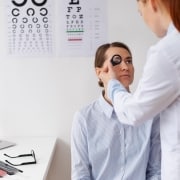
  • Visual acuity testing: This test involves your eye doctor placing a chart with letters at varying sizes and boldness levels several feet away from you to determine the lowest line you can read.

Each of these tests lets our optometry team know whether diabetes has caused any visual changes for you or is likely to in the future. Please schedule your diabetic eye exam in Corinth MS today to stay ahead of these very real threats to your vision.